Top Questions Every Trader Should Ask Before Opening a Trading Account
Opening a trading account takes only a few minutes. Understanding whether it is the right account for the way you intend to trade can take much longer.
Many newcomers compare promotions, minimum deposits, or welcome offers before anything else. Those details are easy to find, but they rarely determine how the trading experience unfolds once markets become active. Choosing a cfd broker is less about marketing claims and more about asking questions that reveal how the platform performs under real market conditions.
The answers often become most valuable during the sessions traders remember for years. Quiet markets rarely expose weaknesses. Fast markets almost always do.
1. How Does the Platform Handle Fast Market Conditions?
Every trading platform feels responsive when prices are barely moving.
The real test comes after a major economic release or unexpected geopolitical headline. Execution speed, order stability, and price updates suddenly matter far more than the appearance of the interface.
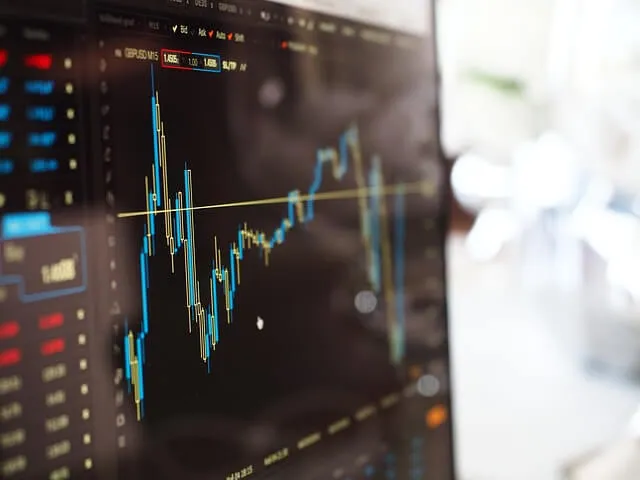
Image Source: Pixabay
Consider a currency pair trading inside a narrow consolidation before a central bank announcement. The decision triggers a breakout, momentum accelerates, and liquidity shifts within seconds. One trader receives prompt execution near the intended level. Another experiences repeated order delays as price races away.
Both traders saw the same chart.
They did not experience the same market.
2. What Are the True Costs of Trading?
Spreads attract attention because they are visible. Other costs often remain overlooked until weeks later.
Swap charges, commissions, inactivity fees, and overnight financing can gradually influence overall performance, particularly for traders who hold positions beyond a single session. A platform advertising extremely tight spreads may recover those savings elsewhere.
Looking only at one number rarely tells the full story.
Experienced traders usually evaluate total trading costs across different market conditions rather than comparing promotional figures displayed on a homepage.
3. Does the Product Selection Match Your Strategy?
Some traders rarely move beyond major currency pairs. Others gradually expand into indices, commodities, or individual shares as market conditions evolve.
That flexibility matters.
A strategy built around diversification becomes difficult when available instruments are limited. Likewise, a trader focused exclusively on one asset class may never benefit from dozens of additional markets sitting unused.
The better question is not whether a platform offers hundreds of instruments. It is whether those markets genuinely support the way you intend to trade.
4. How Transparent Is the Trading Environment?
Transparency often reveals itself in small details rather than bold advertising.
Margin requirements should be clear before an order is placed. Risk disclosures should explain how different market conditions affect open positions. Deposit and withdrawal processes should be straightforward rather than hidden behind complicated conditions.
A counterintuitive observation emerges here. Platforms that promise the easiest path to trading are not always the simplest to understand once an account is active. In many cases, the providers offering the clearest explanations create fewer surprises later because expectations have already been established.
That clarity has value.
5. What Happens When Markets Become Unpredictable?
Support services receive little attention until something goes wrong.
A trader may spend months without contacting customer service, then suddenly require assistance during an unusual market event or technical issue. Response quality becomes part of the trading experience, even if it never appears on a comparison chart.
The same applies to educational resources and market analysis. They are not substitutes for independent decision making, but they often provide useful context when volatility changes rapidly.
Opening an account is only the beginning of a much longer relationship.
The strongest decision often comes before the first trade is ever placed. Asking thoughtful questions about execution, transparency, available markets, costs, and support reveals far more than promotional material ever will. Evaluating a cfd broker through those practical considerations creates a stronger foundation than focusing solely on bonuses or headline features, especially when market conditions become demanding.

Comments